
Maharashtrian Bridal Jewellery: How to Choose
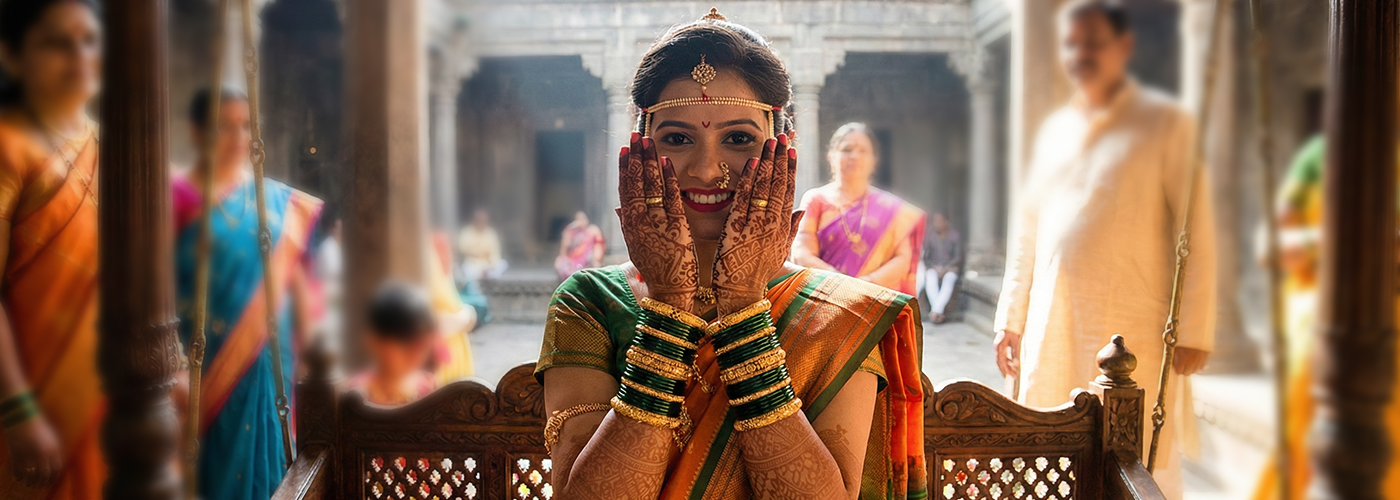
For a Maharashtrian bride, her wedding day is a radiant celebration of heritage, family, and personal style. In 2026, the bridal market is witnessing a beautiful “confluence of trend and tradition.” While some brides lean towards the majestic weight of history, others seek the sleek versatility of contemporary designs.
At Waman Hari Pethe Sons, we maintain excellence in Maharashtrian bridal jewellery while offering a synthesis of traditional art and modern fashion. If you are struggling to decide between a classic or contemporary look, here are five points to help you choose.
1. The Silhouette: Grandeur vs. Minimalism
Traditional bridal sets are designed for “maximal impact,” often featuring heavy chokers like the Thushi layered with a long Kolhapuri Saaj. If you are wearing a rich, 12-yard Nauvari saree for a grand temple wedding, this traditional route is ideal. However, if your ceremony is an intimate rooftop affair or a destination wedding, modern jewellery trends lean toward minimalism. A sleek, diamond-studded gold pendant set or a singular statement necklace can provide a sophisticated look that doesn’t overwhelm a lighter Paithani.
2. The Mangalsutra: Long Heritage vs. Modern Bracelet
The Mangalsutra is the most sacred symbol of commitment, but its design has evolved. Traditionalists often prefer the long mangalsutra (typically 30–36 inches) with double black bead strands and gold vatis. Conversely, the modern bride often opts for a short mangalsutra or even a bracelet mangalsutra. These contemporary versions are designed for daily wear, ensuring that your sacred symbol complements both your bridal ensemble and your post-wedding corporate or Western outfits.
3. The Metal Finish: Polished Gold vs. Antique Matte
Traditional handcrafted gold jewellery is often celebrated for its high-shine, bright yellow 22kt finish, which glows beautifully under traditional wedding lights. Modern designs, however, frequently utilize antique matte finishes or “Geru” work. These finishes emphasize the high-definition detail of Nakshi carvings and floral motifs. If your saree has muted, pastel tones, an antique modern finish may provide a more cohesive and subtle elegance than high-polish gold.
4. Bangle Styling: Heavy Tode vs. Stackable Cuffs
No Maharashtrian bridal look is complete without the chime of bangles. Traditional styling involves a “full forearm” look with Tode and Patlya paired with green glass bangles. For the modern bride, “stackability” is key. Instead of a full set, many are choosing to wear a single, ornate gold kada or a fusion-style cuff on each wrist. This modern approach offers more mobility and a “cleaner” look that works well for receptions and cocktail parties.
5. Longevity: Occasion-Specific vs. Everyday Heirloom
When choosing, consider the “life after the wedding.” Traditional bridal sets are often significant family heirlooms that are reserved for major festivals and weddings. Modern Maharashtrian jewellery is often designed with “modular” elements—detachable pendants or necklaces that can be layered. If you want a piece that you will wear frequently to the office or social gatherings, the modern, lightweight 22kt gold jewellery from Waman Hari Pethe Sons is your best investment.
Find Your Perfect Balance
At Waman Hari Pethe Sons, we understand that your bridal look is a reflection of your identity. Whether you choose the royal charm of the Peshwai Nath or the minimalist brilliance of a diamond locket, our experts are here to help you curate a look that honors your roots while celebrating your future.
Visit any Waman Hari Pethe Sons store today to explore our extensive range of Traditional Marathi Jewellery and find the piece that perfectly illuminates your life’s journey.
